Which PPF Coverage Fits Central Minnesota Driving?
The best PPF package is not automatically the largest one. It is the coverage that matches your driving exposure, ownership plans, finish, and tolerance for visible wear.
September 15, 2026 · 7 min read
Start with the impact pattern
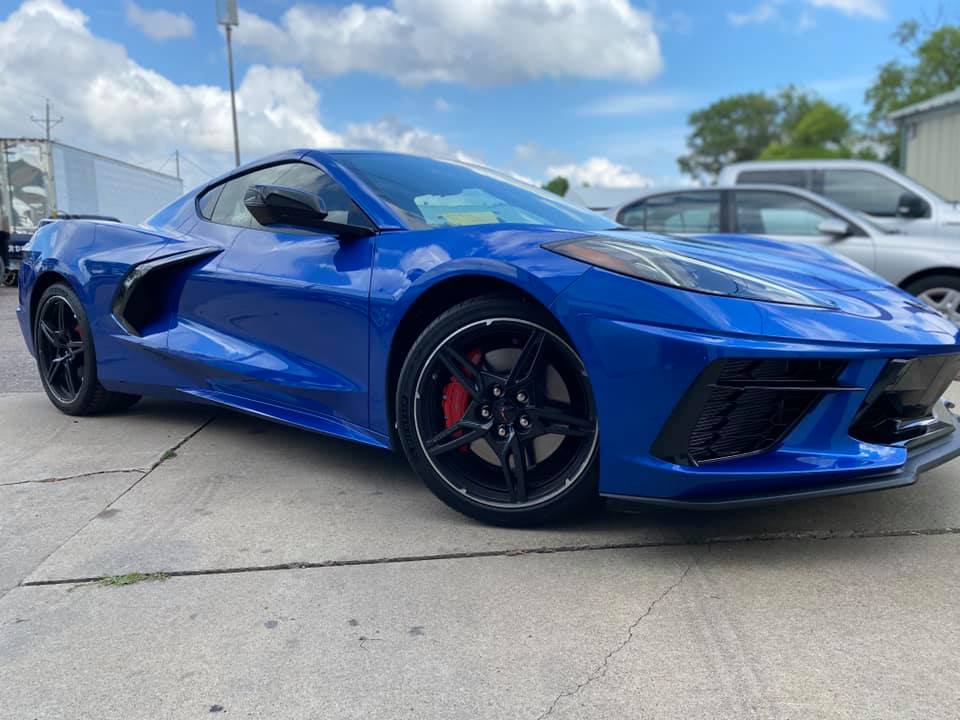
Front bumpers take direct hits from grit and debris. Hood edges, fenders, headlights, mirror caps, rocker panels, and areas behind the wheels face different impact angles. Look at where your current vehicle shows damage; it is often a useful map for the next one.
Targeted coverage
Bumper-only or targeted pieces concentrate the budget on the most exposed surfaces. This can make sense for a leased vehicle, lower-mileage use, or an owner primarily concerned about the front bumper.
The tradeoff is that adjacent uncovered paint remains exposed and a partial hood installation can create a film edge across the panel.
Full-front coverage
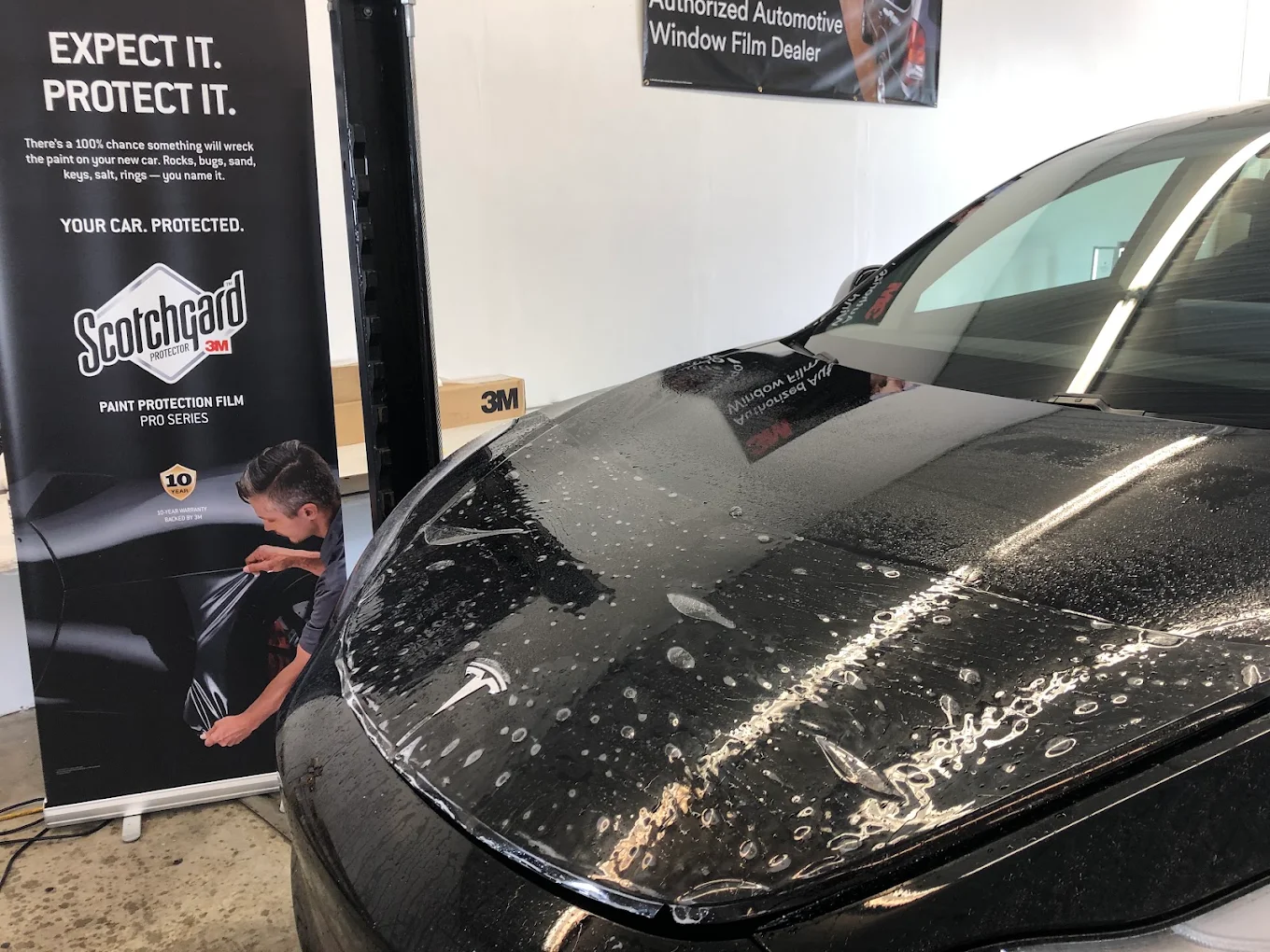
A typical full-front approach protects the front bumper, full hood, front fenders, and mirror caps. Covering complete panels reduces exposed leading surfaces and avoids a partial-film line across the hood.
For regular I-94, Highway 10, Highway 15, or Highway 23 driving, full-front coverage is often the comparison point worth discussing—even if the final choice is smaller.
Rocker panels and broader coverage
Rocker panels and lower doors are exposed to material thrown by the tires. Rural roads, winter grit, wider tires, and aggressive wheel fitments can increase that exposure. Broader or full-body protection is generally chosen for vehicles where preserving the finish has unusually high value.
- Daily mileage and road type
- How long you plan to own the vehicle
- Factory gloss, matte, or special paint
- Existing chips, paint correction, or body repairs
- Budget and tolerance for uncovered wear